Important Factors to Consider When Choosing McNeilus Refuse Trucks
5 min read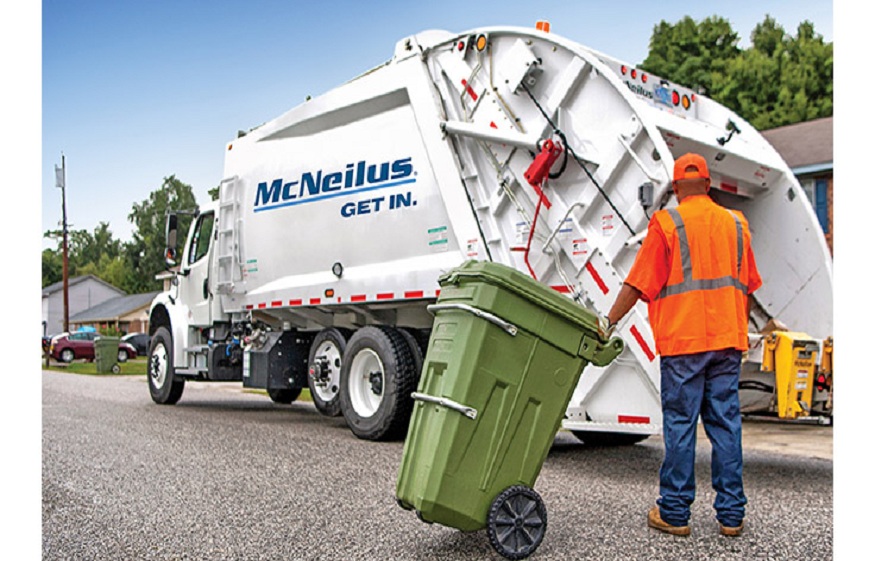
Choosing the right refuse truck is an important decision for waste management companies, municipal sanitation departments, and commercial collection businesses. These vehicles must handle demanding workloads, operate across different road conditions, and support regular waste collection schedules. Selecting unsuitable equipment can increase maintenance expenses, reduce productivity, and create difficulties for collection crews. McNeilus refuse trucks are available in different configurations, making it important for buyers to understand their requirements before choosing a particular model.
Identify the Intended Collection Application
The first factor to consider is the type of waste collection the truck will perform. Residential, commercial, and municipal operations have different equipment requirements.
Residential collection often involves frequent stops and the handling of household containers. Commercial operations may require larger lifting capacities and front-loading arrangements. Municipal services can include several collection methods depending on the service area.
Buyers should identify the primary application before comparing available vehicles. Understanding the daily workload and collection environment helps narrow down the most suitable configurations.
Read More: Rear Loader Safety Tips for Operators and Workers
Choose the Appropriate Loading Configuration
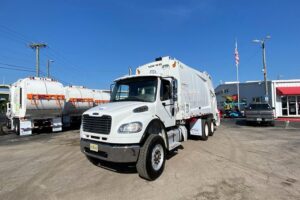
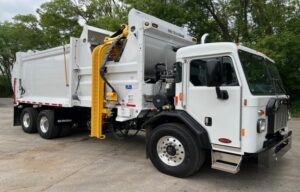
Loading configuration affects how a refuse truck handles containers and completes collection tasks. Front loaders, rear loaders, and side loaders are designed for different operating methods.
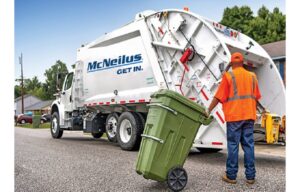
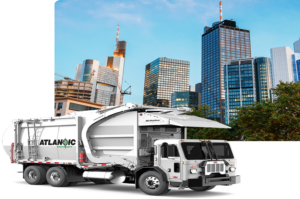
Front loaders are commonly used for commercial collection, while rear loaders are suitable for many residential and light commercial routes. Automated side loaders can support curbside collection using compatible containers.
McNeilus provides different configurations to meet these requirements. Buyers should compare container compatibility, route conditions, crew requirements, and operating procedures before selecting a vehicle.
Evaluate Body Capacity and Payload
Body capacity is another important consideration when choosing refuse collection equipment. A truck must have sufficient capacity to handle the expected volume of waste without creating unnecessary operational costs.
Buyers should review the body capacity, chassis rating, axle configuration, and legal payload limitations. They should also consider the weight and density of the materials being collected.
A truck with an appropriate capacity can help businesses organize collection routes and reduce unnecessary trips to disposal facilities. However, selecting a vehicle that is larger than required may increase purchase and operating expenses.
Consider Route Conditions and Maneuverability
Waste collection routes can vary significantly. Some trucks operate in narrow residential neighborhoods, while others serve commercial facilities with larger access areas.
Road width, turning space, traffic conditions, overhead restrictions, and container placement should all influence the vehicle selection process.
Buyers should consider how easily the truck can move through its intended service area. A vehicle that performs well in an open commercial environment may not be the best choice for a densely populated neighborhood.
Evaluating route conditions before purchasing helps businesses select equipment that supports efficient collection activities.
Review Chassis and Powertrain Specifications
The refuse collection body is only one part of the complete vehicle. The chassis and powertrain must also be suitable for the expected workload.
Buyers should review engine specifications, transmission options, axle ratings, suspension, braking systems, and overall vehicle weight. These components influence vehicle performance, operating suitability, and maintenance requirements.
Read More: Fleet Expansion Strategies with McNeilus Refuse Trucks
It is important to ensure that the chassis and collection body are properly matched. Fleet managers should review manufacturer specifications and consult qualified representatives when evaluating configurations.
Understand Maintenance Requirements
Refuse trucks experience considerable wear because they perform repetitive loading and transportation activities. Maintenance requirements should therefore be considered before purchasing a vehicle.
Buyers should ask about recommended service intervals, inspection procedures, hydraulic system maintenance, and common replacement needs. They should also investigate the availability of technical documentation and qualified repair technicians.
Researching McNeilus companies can help buyers understand the manufacturer and dealership resources associated with refuse truck ownership. They should consider whether appropriate parts, technical support, and service facilities are accessible in their operating region.
Evaluate Dealer and Parts Support
Dealer support can influence how efficiently a business manages vehicle maintenance and repairs. Companies should evaluate the availability of parts, technical assistance, warranty services, and mobile repair options.
Ten-8 Industrial is an independent McNeilus dealer supporting customers in Alabama, Florida, Georgia, and Mississippi. Its services include refuse truck sales, maintenance, parts, and repair support.
Businesses purchasing equipment should confirm the dealer’s service territory and determine whether the required support is available for their location. They should also clarify warranty coverage, parts ordering procedures, and service arrangements.
Compare Fuel and Energy Options
Fuel and energy requirements can significantly affect the long-term cost of operating refuse trucks. Buyers should consider the type of powertrain that best suits their routes and available infrastructure.
Conventional diesel vehicles remain an option for many collection operations. Electric refuse trucks may also be worth evaluating for businesses interested in reducing local emissions and operating noise.
McNeilus offers the Volterra electric refuse vehicle platform. Buyers considering electric equipment should assess battery range, charging availability, route distances, payload requirements, and expected operating costs.
The most suitable choice depends on the company’s operational conditions and long-term fleet strategy.
Examine Safety and Technology Features
Safety should be included in every vehicle evaluation. Refuse trucks operate near workers, pedestrians, residential properties, and moving traffic.
Buyers should review available cameras, warning lights, backup alarms, visibility systems, mirrors, and other installed safety equipment. Operator controls and cab layout should also be assessed.
Depending on the selected configuration, additional technology may support fleet monitoring and collection activities. Businesses should evaluate these features according to their needs and budget rather than choosing technology without a clear operational purpose.
Calculate Total Ownership Costs
A truck’s purchase price does not represent its complete financial cost. Fuel, servicing, insurance, repairs, replacement parts, and employee training contribute to long-term ownership expenses.
Companies should estimate these costs before choosing a vehicle. Comparing different configurations can help identify the option that provides the best balance between operational capability and affordability.
Researching McNeilus companies and their available vehicle solutions can also help buyers compare equipment options and identify suitable dealer support.
Businesses should consider expected service life, collection hours, annual mileage, and maintenance expenses when preparing their budgets.
Consider Future Business Requirements
Waste collection businesses may expand their service areas or take on new contracts. A truck selected today should ideally support the company’s expected operating requirements for several years.
Buyers should consider potential changes in collection volumes, container systems, road conditions, and environmental requirements.
McNeilus companies and their dealer networks may offer different equipment solutions that buyers can investigate when planning future fleet investments. Reviewing available configurations and support services can help businesses make decisions that remain practical as their operations develop.
Conclusion
Choosing McNeilus refuse trucks requires a careful evaluation of collection requirements, loading configuration, capacity, route conditions, chassis specifications, maintenance, and dealer support. Buyers should also consider safety features, energy options, and total ownership costs before making a final decision.
Researching McNeilus companies and comparing available equipment can help businesses identify suitable solutions for their collection operations. Working with an experienced dealer such as Ten-8 Industrial, where its authorized service territory applies, can also provide access to vehicle sales, parts, and maintenance support. A well-planned purchasing decision helps companies invest in equipment that supports productivity and dependable waste collection.