Why McNeilus Front Loaders Are a Popular Choice for Commercial Waste Collection
5 min read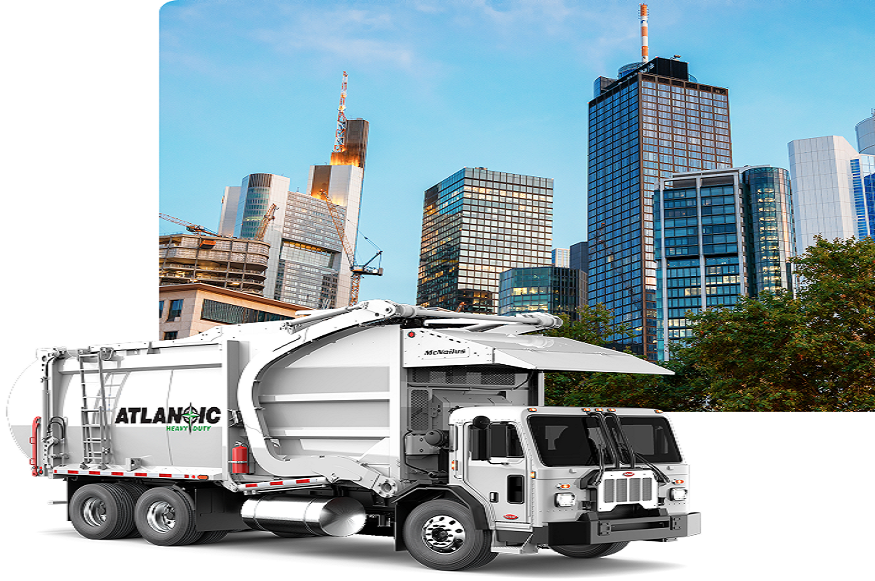
Commercial waste collection requires equipment that can handle large containers, repeated lifting cycles, and demanding daily routes. Businesses such as restaurants, shopping centers, warehouses, apartment complexes, and office buildings produce waste regularly, making dependable collection services essential. Waste management companies must therefore choose vehicles that support productivity while helping control maintenance and operating expenses.
Front-loading refuse trucks are widely used for these applications because they can lift and empty compatible dumpsters from the front of the vehicle. Among the available equipment options, McNeilus front loader models offer features designed to support commercial and residential collection operations. Their focus on durability, lifting capability, compaction, and serviceability makes them worth considering when businesses evaluate their fleets.
Designed for Commercial Collection Demands
Commercial routes often involve large waste containers located behind stores, restaurants, offices, and industrial facilities. These containers can become heavy, particularly when they contain dense materials or have not been emptied according to schedule.
A front loader is designed to raise compatible containers over the cab and discharge their contents into the hopper. This collection process allows operators to service multiple locations without requiring workers to empty every container manually.
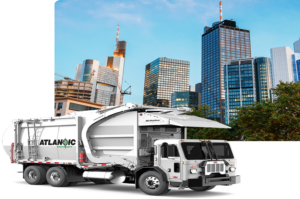
McNeilus offers front loader models for demanding routes, including the Atlantic Series and Meridian. These models provide different body capacities and configurations, allowing fleet operators to evaluate equipment according to the type and volume of waste they collect.
Durable Design for Regular Operation
A commercial refuse truck may work for many hours each day. Repeated loading, packing, unloading, and travel can place considerable stress on its body and mechanical systems.
The McNeilus Atlantic Series is built for heavy-duty applications and incorporates abrasion-resistant AR450 steel in specified areas. This material is intended to provide durability in parts of the body exposed to wear.
Durable construction matters because excessive wear can lead to repairs, downtime, and additional expenses. However, even a well-built truck needs regular inspections and proper operation. Drivers and maintenance teams should follow the manufacturer’s recommendations to help protect the vehicle throughout its service life.
Lifting Capacity for Large Containers
The lifting system is central to commercial front-loading operations. A truck must be able to raise compatible dumpsters without exceeding the rated capacity of its arms or other components.
The McNeilus Atlantic Series offers a lifting-arm capacity of up to 10,000 pounds, subject to the applicable configuration and specifications. This capability can support businesses that service large commercial containers.
Before selecting a vehicle, fleet managers should review the weight and dimensions of the dumpsters used on their routes. They should also consider container condition, lifting points, and the space available for positioning the truck. Proper matching helps avoid unnecessary operational difficulties and supports safe collection practices.
Compaction Helps Make Better Use of Capacity
Collected waste takes up space inside the truck body. Without compaction, a vehicle may reach its available volume before reaching its practical payload limit.
A packing system compresses refuse to make more efficient use of the body. This can help reduce the number of trips required to transport collected material to a disposal or transfer facility, depending on waste density and operating conditions.
McNeilus front loaders use Excalibre packing cylinders, which feature a patented tool steel shaver and nitrided rods. These components are designed to resist wear and corrosion and help reduce hydraulic contamination.
For commercial collection companies, a dependable packing system can contribute to consistent route performance. Operators should still follow the correct packing procedures and avoid loading materials that are unsuitable for the truck.
Multiple Models for Different Fleet Requirements
No two waste collection businesses have exactly the same operating needs. A company serving large industrial facilities may require a different truck configuration from a business collecting waste from smaller commercial properties.
The McNeilus Atlantic Series offers body capacities of 36, 40, 43, and 45 cubic yards. It is designed for demanding routes where heavy-duty performance and larger body capacity are priorities.
The Meridian model offers capacities of 32, 36, 40, and 43 cubic yards. It is designed to balance strength and versatility across commercial and residential applications. McNeilus lists a 10,000-pound arm lift capacity and a 14-ton payload capacity for the Meridian, with exact suitability depending on vehicle configuration and applicable regulations.
These options allow buyers to compare capacity, weight, and route suitability before making a decision.
Diagnostic Features Can Support Maintenance
Unplanned equipment downtime can affect route schedules and customer relationships. For that reason, maintenance access and troubleshooting features are important when evaluating a refuse truck.
McNeilus offers its CODE controls system on front loader models. The system provides diagnostic information that can help operators and technicians investigate equipment conditions and troubleshoot issues.
Access to useful diagnostic information may help maintenance teams identify problems more efficiently. It does not replace physical inspections or professional repairs, but it can be a valuable part of a broader maintenance process.
Serviceability and Component Protection
The design of a truck can influence how easily technicians access important components. McNeilus front loaders feature a clean headframe intended to improve serviceability and protect hydraulic and electrical components.
This design approach can be useful for businesses that need to maintain equipment while keeping vehicles available for scheduled routes. Regular maintenance remains essential, including inspections of hydraulic lines, cylinders, electrical connections, lifting arms, tires, brakes, and other critical systems.
A preventive maintenance schedule can help identify developing issues before they become more serious repairs.
Why Fleet Managers Should Consider Total Ownership Costs
The purchase price is only one part of the financial commitment involved in acquiring a refuse truck. Businesses should also consider fuel use, insurance, maintenance, replacement parts, driver training, financing, and expected downtime.
A truck with suitable capacity and dependable performance may help a business manage its workload more effectively. However, a larger vehicle is not automatically the best choice. If the truck is too large for the routes or local operating conditions, it may create unnecessary expenses.
Fleet managers should compare the expected workload with the vehicle’s body capacity, payload, chassis, and available options. They should also evaluate how easily the truck can be serviced in their operating area.
The Importance of a Reliable Equipment Supplier
Choosing the right supplier is an important part of purchasing commercial waste collection equipment. Buyers often need assistance comparing models, reviewing specifications, identifying compatible chassis options, and arranging service or parts support.
Atlantic Heavy Duty offers McNeilus refuse truck solutions along with sales, service, parts, and financing support. Its front loader information covers the Atlantic Series and Meridian models, helping customers understand the available options.
Prospective buyers should discuss their routes and container requirements with the supplier before selecting a truck. They should request current specifications, confirm availability, and review the service arrangements available for their location.
Conclusion
McNeilus front loaders are designed to address several important requirements of commercial waste collection, including lifting capability, body capacity, compaction, durability, and maintenance access. The Atlantic Series and Meridian models provide different options for fleet operators with varying workloads. Businesses considering an investment should compare vehicle specifications with their actual route conditions and long-term operating plans. With product guidance and support from Atlantic Heavy Duty, buyers can make a more informed decision about adding a McNeilus front loader to their collection fleet.