Rear Loader Safety Tips for Operators and Workers
4 min read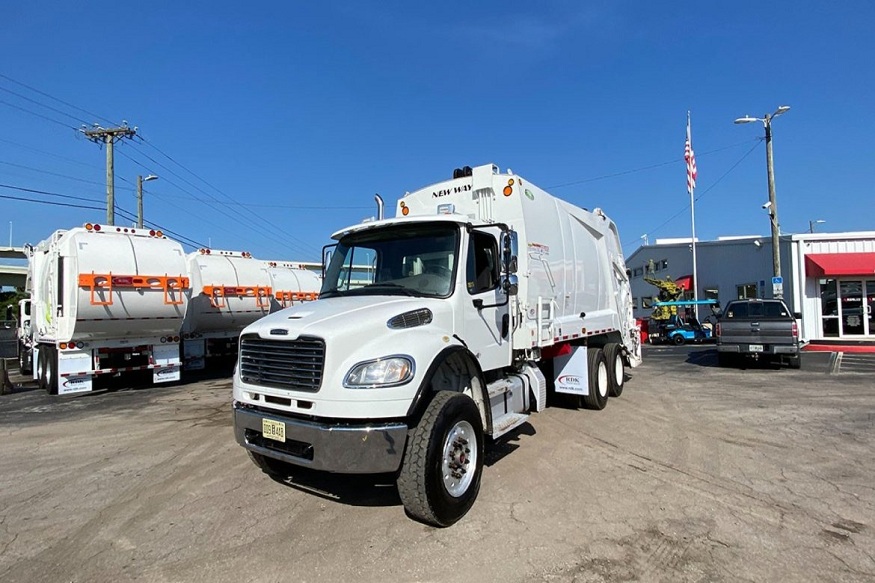
Operating a rear loader garbage truck involves navigating busy streets, handling heavy waste, and coordinating with a team of sanitation workers. The combination of moving vehicles, hydraulic systems, and manual loading tasks makes safety a top priority. Municipalities and private waste management companies must ensure that their crews understand the risks and follow proper safety procedures. This article explores essential rear loader safety tips for operators and workers, highlighting how features from trusted manufacturers like Atlantic Heavy Duty enhance safety on the job.
Understanding the Hazards of Rear Loader Operations
Rear loader garbage trucks operate in environments that present multiple hazards. Workers are exposed to traffic, sharp objects, slippery waste, and moving parts of the truck. Operators must manage the vehicle while coordinating with crews at the rear hopper, all of which requires constant attention and adherence to safety practices. Recognizing these hazards is the first step in preventing accidents and injuries.
Municipalities that invest in high-quality rear loaders, such as those produced by Atlantic Heavy Duty, benefit from designs that minimize risks. Reinforced body construction, durable hydraulics, and safety-oriented control systems help create a safer work environment for operators and loading personnel.
Pre-Operation Safety Checks
Before starting any collection route, a thorough pre-operation inspection is critical. Operators should check fluid levels, brakes, tires, and the hydraulic system to ensure the truck is in proper working condition. Even minor issues, such as a low hydraulic fluid level or worn brake pads, can escalate into dangerous situations if left unaddressed.
Atlantic Heavy Duty rear loaders are designed with accessible inspection points, making pre-operation checks more efficient. Features like clearly labeled hydraulic fittings, durable packer blades, and reinforced tailgates allow crews to identify potential problems quickly and reduce the risk of accidents during operations.
Safe Loading Practices
Loading waste into a rear loader requires coordination between operators and workers. To prevent injuries, teams should follow proper procedures for manual loading. Workers should avoid standing directly behind or under the hopper while the compactor is in motion and should use proper lifting techniques to prevent strain or injury.
Reinforced hopper designs and safety interlocks in Atlantic Heavy Duty rear loaders reduce the chance of accidental compactor engagement. These systems prevent the packer blade from operating if the hopper is obstructed, ensuring workers are not exposed to moving parts during loading.
Maintaining Visibility and Communication
Clear communication between the driver and the crew is essential for safe rear loader operations. Operators must maintain visibility of the rear hopper and the surrounding area to prevent collisions with personnel, vehicles, or obstacles.
Many modern rear loader trucks, including Atlantic Heavy Duty models, are equipped with rear-view cameras, audible backup alarms, and lighting systems that enhance visibility. Using hand signals or two-way radios further ensures that operators and workers remain coordinated, especially in busy or low-light environments.
Controlling Vehicle Movement
Unintended vehicle movement is one of the leading causes of accidents involving rear loader trucks. Operators should always engage the parking brake when the truck is stationary and ensure the vehicle is on stable ground during loading operations.
Atlantic Heavy Duty rear loaders are designed with reliable braking systems and reinforced wheelbases to minimize the risk of rollaways. Proper training in vehicle control, combined with the truck’s built-in safety features, reduces the likelihood of accidents and protects both operators and workers.
Handling Hydraulic Systems Safely
The hydraulic system powers the compactor and tailgate mechanisms, making it a critical component of the rear loader. However, high-pressure hydraulics can be dangerous if not handled correctly. Workers and operators should avoid placing hands or feet near moving cylinders, hoses, or the packer blade during operation.
Routine maintenance is also important. Leaking hoses, damaged fittings, or worn hydraulic seals should be addressed immediately to prevent fluid injection injuries or sudden system failures. Atlantic Heavy Duty rear loaders feature high-quality hydraulic components designed to withstand daily use and reduce the risk of malfunction, improving overall workplace safety.
Emergency Preparedness
Despite best practices, emergencies can occur. Operators and crews should be trained in emergency procedures, including shutting down the hydraulic system, safely exiting the vehicle, and responding to accidents. Familiarity with emergency controls, such as stop buttons and interlocks, can prevent injuries and mitigate damage during unexpected situations.
Atlantic Heavy Duty incorporates emergency safety mechanisms into its rear loader designs. These features allow operators to quickly disable the compactor or tailgate in the event of an obstruction or malfunction, providing an additional layer of protection for workers.
Personal Protective Equipment (PPE)
Proper personal protective equipment is essential for anyone working with rear loader garbage trucks. Gloves, steel-toed boots, high-visibility vests, and protective eyewear reduce the risk of injury from sharp objects, debris, or moving parts. Consistent use of PPE should be enforced on every route to ensure worker safety.
Coupled with the robust design of Atlantic Heavy Duty rear loaders, PPE helps create a safe operational environment. The combination of equipment safety features and worker protection practices minimizes the risk of accidents during waste collection.
Training and Continuous Safety Awareness
Even the safest rear loader is only effective when operated by trained personnel. Municipalities and waste management companies should provide ongoing training on safe operation, hazard recognition, and emergency response. Regular refresher courses ensure that operators and crews stay aware of evolving safety protocols and reinforce best practices on every route.
Atlantic Heavy Duty supports this by providing operator manuals, safety guidelines, and technical support that help fleets maintain high safety standards. Comprehensive training paired with reliable equipment creates a culture of safety that benefits both employees and the community.
Final Thoughts
Safety is a critical aspect of rear loader garbage truck operations. By focusing on pre-operation checks, proper loading practices, effective communication, hydraulic safety, emergency preparedness, PPE usage, and continuous training, municipalities and businesses can significantly reduce the risk of accidents and injuries.